Ukraine Says NATO-Built AI Can Now Forecast Russian Drone Attacks at the Front
Model No. 13 forecasts where, when and with which drones Russia will strike near the front, Ukraine's defense ministry says, while a second NATO-Ukraine tool that ranks artillery plans is still in trials.
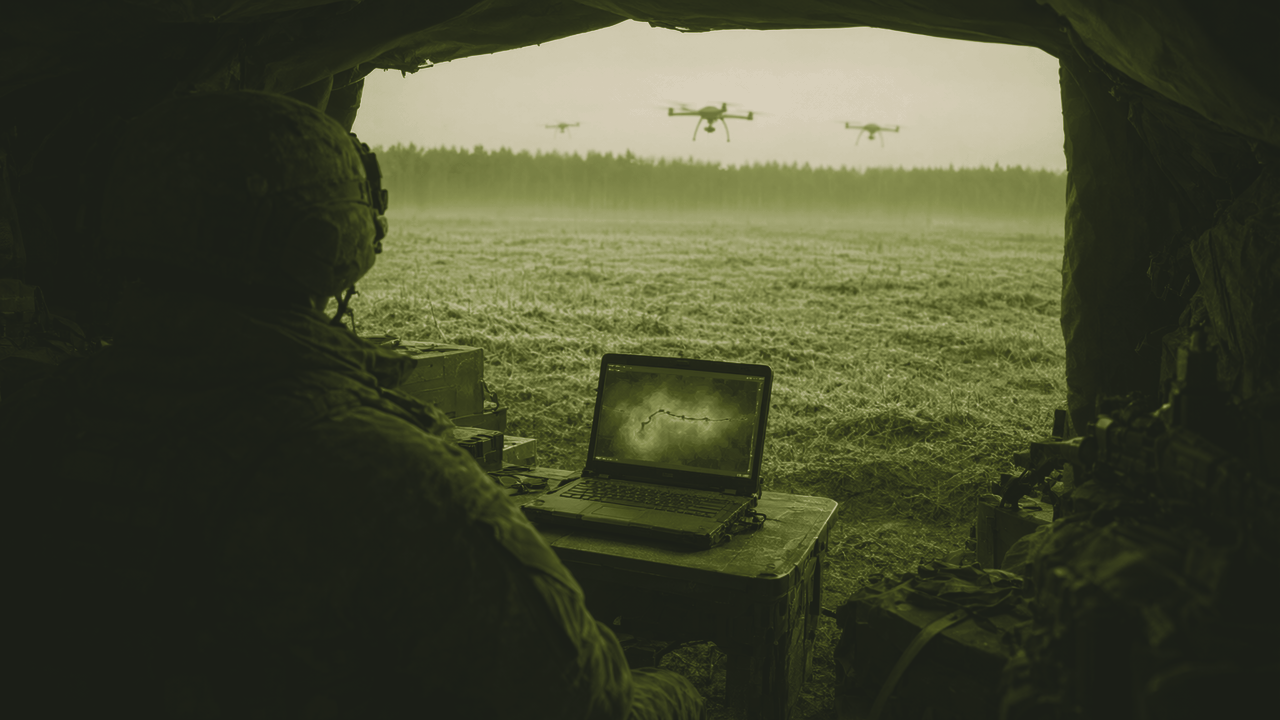
Model No. 13 forecasts where, when and with which drones Russia will strike near the front, Ukraine's defense ministry says, while a second NATO-Ukraine tool that ranks artillery plans is still in trials.
Model No. 13, an AI tool designed to forecast Russian drone use near the front, is ready for integration into Ukraine's military situational-awareness systems, Ukraine's Ministry of Defence said Oct. 13.
Frequently Asked Questions
What is Model No. 13?
An AI tool that forecasts Russian drone use near the line of contact, built by NATO's Allied Command Transformation and Ukraine's armed forces with support from JATEC, according to Ukraine's Ministry of Defence.
What does it predict?
The intensity, locations, timeframes and types of drones Russia is likely to use, which the ministry says it determines "with a high degree of probability" from historical data, weather and the current battlefield situation.
Is it in service?
Not yet. The ministry says it has been validated on real-world datasets and is ready for integration into the armed forces' situational-awareness systems.
How accurate is it?
The ministry has published no accuracy figures, false-alarm rates or test-set details.
What does Model No. 32 do?
It generates and ranks artillery plans from available weapons, ammunition, firing positions and constraints. A prototype is with Ukrainian units for testing, per the ministry.
AI-generated summary, reviewed by an editor. More on our AI guidelines.
Read next — from the Lexicon
Below this point
8 more sections.
NATO's Allied Command Transformation and Ukraine's armed forces built it alongside an artillery-planning tool, Model No. 32, with support from the NATO-Ukraine Joint Analysis, Training and Education Centre (JATEC). Both were presented at a three-day seminar in Vilnius, Lithuania.
Model No. 13 analyzes historical data, weather conditions and the current battlefield situation. It can forecast the intensity, locations, timeframes and types of Russian drone activity "with a high degree of probability," the ministry asserts.
The statement describes validation on real-world datasets and later refinement. It gives no accuracy figures, false-alarm rates or test-set details.
The tool is likely to run on Ukraine's DELTA battlefield management system, Business Insider's Matthew Loh assessed. DELTA already carries Vezha, an AI module that Ukraine says can flag Russian equipment from satellite imagery, drone feeds and radio signals.
Model No. 32 generates artillery plans from mission requirements and available weapons, ammunition, firing positions and constraints, the ministry outlines. It first applies logistics, ballistics and engagement-zone parameters to discard infeasible options, then ranks the remaining plans. The ministry says that cuts manual comparison of options and shortens decision time.
A prototype is with Ukrainian units for testing and verification. If it passes, the ministry says, the module could scale to other units delivering fires.
Drones cause most losses near the front. In March, Ukraine's military put the share of front-line casualties caused by first-person-view drones at up to 80%.
Model No. 13 now waits on integration into the army's awareness systems, and Model No. 32 on its trials.

Marcus Schuler
Marcus Schuler edits BattlePolicy, a daily defense-technology brief connecting the companies and capabilities behind modern war to the contest among Europe, the US, Russia, and China.