Freyja Enters Integration With Export Licenses on the Critical Path
Fire Point has closed agreements with 13 European partners, but national licensing rules now threaten a mid-2027 interceptor that Ukraine needs before Patriot supplies recover.
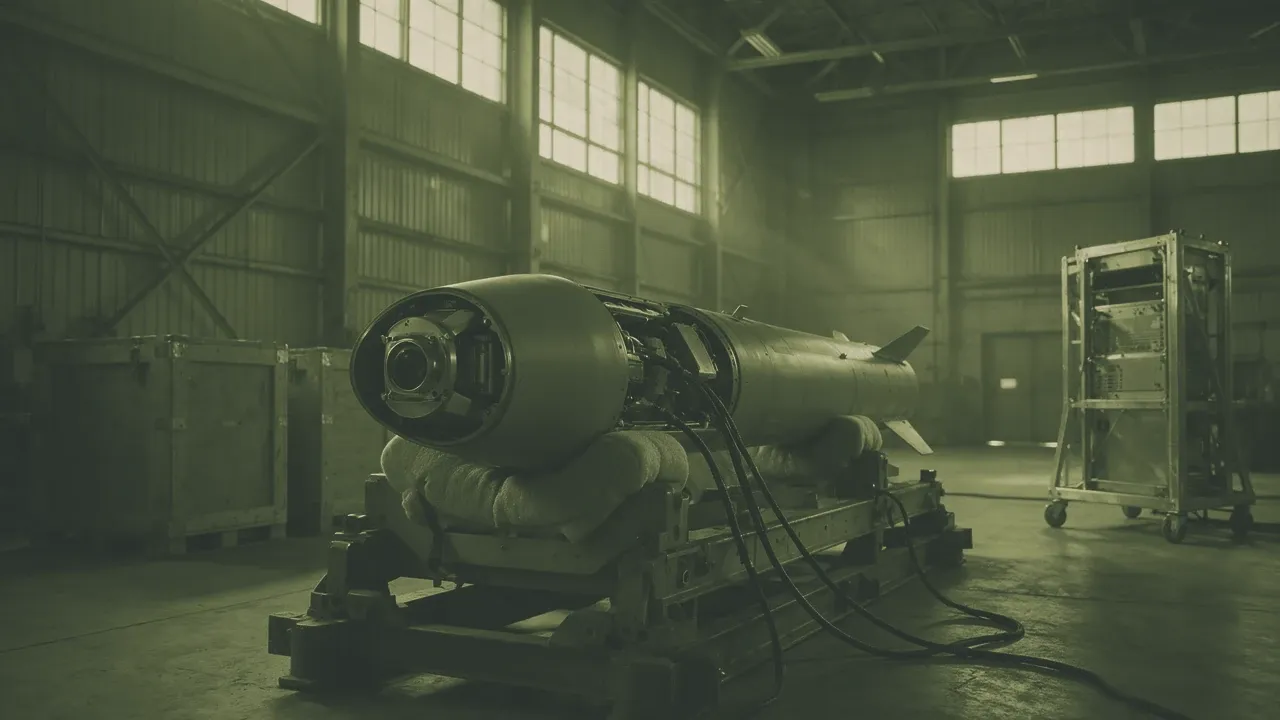
Fire Point has closed agreements with 13 European partners, but national licensing rules now threaten a mid-2027 interceptor that Ukraine needs before Patriot supplies recover.
13 industrial agreements
Freyja's binding constraint shifted on 4 August from assembling a European coalition to moving components across its borders. Fire Point CEO Iryna Terekh told Reuters that agreements with 13 industrial partners were complete. "Pretty much everything is agreed," she said. The company has entered what she called the "most intense" and "most complicated" stage: assembling its FP-7.X interceptor with surveillance radars, tracking radars and seekers. The hard part is no longer persuading Europe to participate. It is getting European paperwork out of the way.
The division of labour is now specific. Fire Point supplies the FP-7.X and its launcher. Norway's Kongsberg is building the command centre that integrates the components, although the company did not respond to a request for comment. Germany's Diehl Defence, which makes the seeker for its own IRIS-T system, confirmed that it was in talks with Fire Point but declined details. Terekh also declined to discuss Diehl's role.
Ukrainian officials describe an open architecture in which a Weibel radar can be exchanged for a Saab system. Terekh said the partner count could rise from 13 to about 20, expanding potential production capacity. Participating companies will finance research and development until Freyja reaches a minimum viable product, which she defined as one successful ballistic missile intercept. Fire Point targets that event for mid-2027.
That makes export approval and national procurement law the schedule risk Europe can remove now.

Marcus Schuler
Marcus Schuler edits BattlePolicy, a daily defense-technology brief connecting the companies and capabilities behind modern war to the contest among Europe, the US, Russia, and China.