IsraelPro
Arrow-3
Israel's exoatmospheric hit-to-kill ballistic missile interceptor, jointly developed with the U.S., combat-proven against Houthi and Iranian missiles, and now fielded by Germany as the first European upper-tier system.
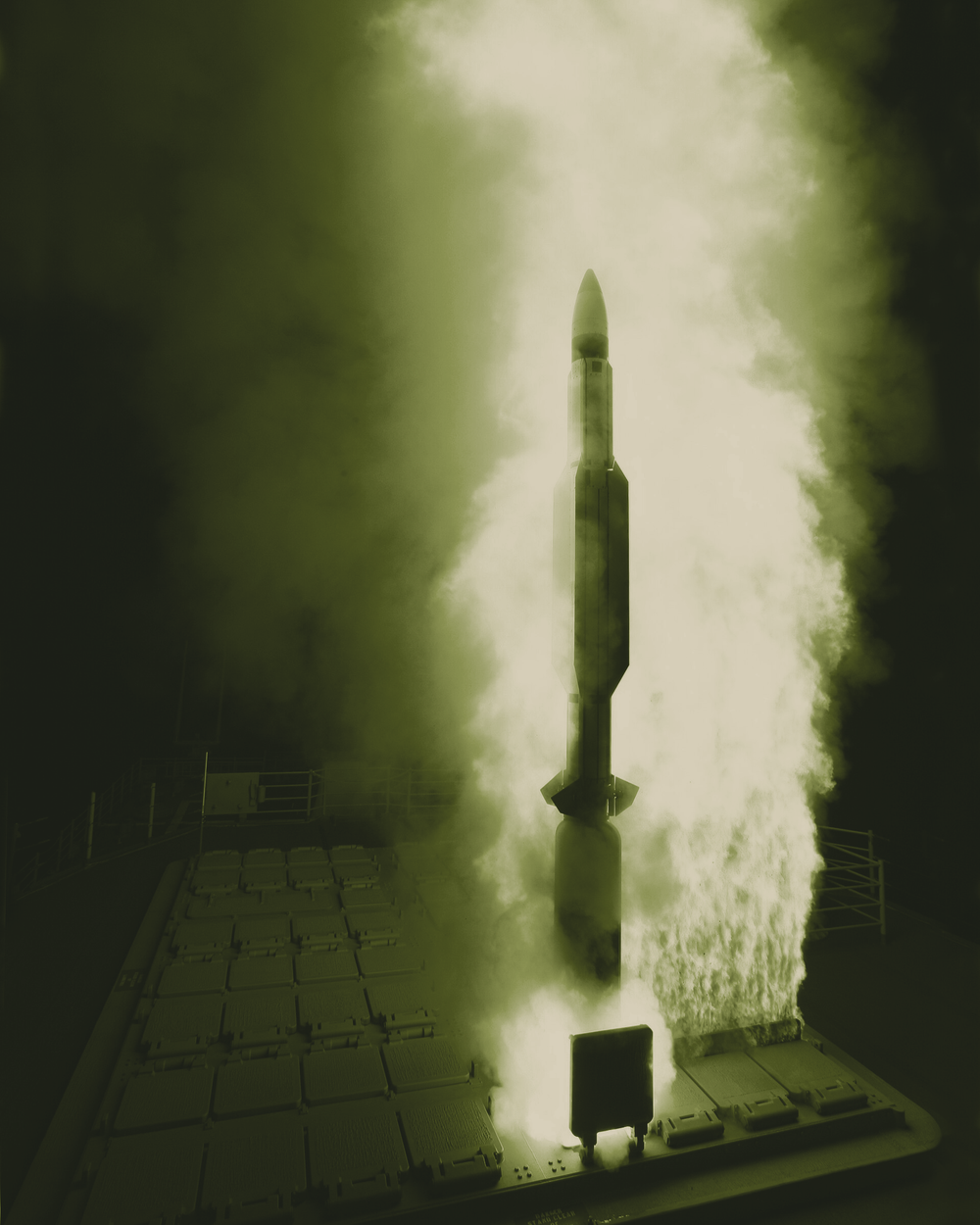
The SM-3 is the US Navy's exoatmospheric hit-to-kill interceptor — the only Standard Missile built to destroy ballistic missiles in space. It made the first combat exoatmospheric intercepts in history defending Israel in April 2024, and its magazine is now the center of the US interceptor crisis.
Israel's exoatmospheric hit-to-kill ballistic missile interceptor, jointly developed with the U.S., combat-proven against Houthi and Iranian missiles, and now fielded by Germany as the first European upper-tier system.
The Terminal High Altitude Area Defense — a wheeled, hit-to-kill interceptor system that destroys short- and medium-range ballistic missiles in their terminal phase, both inside and just above the atmosphere.
The backbone of the U.S. surface fleet — a 9,500-ton multirole Aegis destroyer with 96 vertical launch cells, evolving from the SPY-1 to the SPY-6 radar, and the platform that fought the heaviest air-defense battles since World War II in the Red Sea.