KAAN
The TAI KAAN is Turkey's indigenous fifth-generation fighter — flown in prototype form in February 2024, contracted for its first 20 production jets in May 2026, and already exported: Indonesia signed for 48. Its schedule still hinges on US-supplied F110 engines.
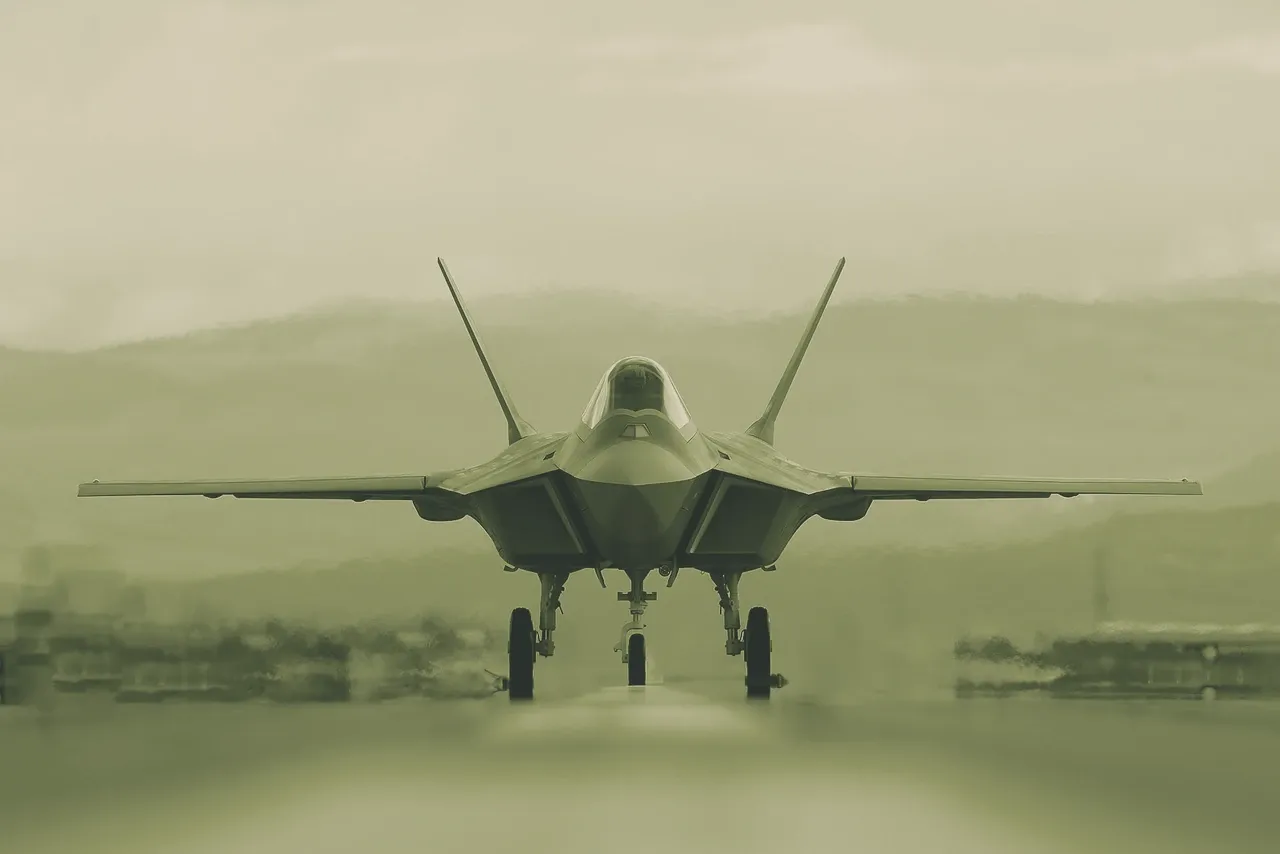

Turkey's bid to join the stealth-fighter club — the TAI KAAN (formerly TF-X) is a twin-engine, low-observable multirole fighter developed after Ankara's expulsion from the F-35 program, flown in prototype form in February 2024 and now under its first production contract: 20 Block 10 jets for the Turkish Air Force, with deliveries promised by the end of 2030. Indonesia has already signed for 48, Saudi Arabia circles with talk of 100 — and the whole plan still rides on an American engine, with the indigenous TF35000 years away.
Overview
The KAAN — "khan of khans," the program formerly known as TF-X/MMU — is Turkish Aerospace Industries' twin-engine, fifth-generation-marketed fighter, intended to replace the Turkish Air Force's F-16 fleet from the 2030s and to anchor Turkey's claim to full-spectrum aerospace sovereignty. It is the largest program in a defense industry that has already conquered the drone market with the Bayraktar TB2 and Akinci: a ~20-meter, ~35-tonne-class stealth-shaped airframe with internal weapons bays, Aselsan's MURAD AESA radar, and the indigenous GÖKTUĞ missile family. Three prototypes exist; the first, P0, flew on 21 February 2024. The Turkish Air Force signed for its first 20 Block 10 aircraft in May 2026 (initial requirement ~148), and Indonesia became the launch export customer with 48 jets signed in mid-2025. The catch sits in the tailpipe: every KAAN flying or contracted depends on the GE F110 — the sale of ~80 engines was only notified to the US Congress on 24 June 2026 — while the indigenous TF35000 engine is not expected in the jet before the early 2030s. The KAAN is real, flying and selling; whether it is a fifth-generation fighter in more than shape, and on whose permission it flies, are the open questions.
🔒 The full KAAN file is for BattlePolicy Pro members. Below the line: development history, design and capabilities, variants, the combat record, advantages and limitations, comparable systems, outlook, the full specifications table, our sourcing, and the analyst assessment — procurement, suppliers and the BattlePolicy verdict. Unlock the full file with BattlePolicy Pro →
Below this point
- Development
- Design & capabilities
- Variants
- Combat record / operational use
- Advantages
- Drawbacks / limitations
- Counterparts
- Outlook
- Key specifications
- Sources
- Analyst Section
- Procurement & contracts
- Suppliers & related companies
- Comparable systems — analyst view
- Analyst note